Modular Sofas Explained: Types, Configurations and What to Buy
Share
Modular sofas have become one of the most flexible furniture options for modern homes. Whether you're furnishing a small apartment, creating a family-friendly seating area, or designing an open-concept living room, modular sofas give you more control over how your space functions today and how it can adapt in the future.
Explore Koala's Modular Sofas Collection and Sofas Collection to compare different layouts. Seeing real-world modular sofa configurations can make it easier to understand which layouts suit your room size, seating needs, and lifestyle.
What Are Modular Sofas?
Modular sofas are seating systems made up of individual sections that can be connected and rearranged into different configurations.
Unlike a traditional sofa that arrives as a single fixed piece, a modular sofa consists of separate components designed to work together. These modules allow homeowners to create layouts that fit their room rather than forcing the room to fit the furniture.
Common modular sofa components include:
-
Corner pieces
-
Armless seats
-
End seats
-
Chaises
-
Ottomans
-
Additional seating modules
A modular sofa configuration can range from a compact two-piece arrangement to a large modular sectional sofa designed for entertaining.
The popularity of modular furniture has grown alongside changing lifestyles. More homeowners want furniture that can adapt to moves, renovations, growing families, and evolving room layouts without needing complete replacement.
That's where modular seating stands out. Instead of replacing an entire sofa, homeowners can often rearrange or expand existing pieces to create a new layout.
Types of Modular Sofas Explained
Modular sofas come in several formats, each designed to suit different room sizes, seating needs, and lifestyles.
Understanding the most common types can help narrow your options before you start shopping.
Modular Sectional Sofas
Modular sectional sofas create larger seating arrangements using multiple connected modules.
They're commonly configured into L-shaped or U-shaped layouts and work particularly well in family rooms and larger living spaces. A modular sectional couch can often be expanded later if additional seating is needed.
Modular Sofas With Chaises
Modular sofas with chaises prioritize relaxation.
The chaise section provides a dedicated place to stretch out while maintaining a relatively compact footprint. This makes them a popular choice for small and medium-sized living rooms.
Modular Sofas With Ottomans
Modular sofas with ottomans offer exceptional versatility.
An ottoman can function as a footrest, coffee table alternative, extra seating, or even a temporary centerpiece depending on the occasion.
For households that regularly change room layouts, this flexibility can be especially useful.
Expandable Modular Sofas
Expandable modular sofas are designed for long-term flexibility.
Homeowners can begin with a smaller arrangement and add compatible modules later as their seating needs evolve. This makes expandable sofa systems attractive for growing households and homeowners planning future moves.
Apartment-Friendly Modular Sofas
Apartment-friendly modular sofas focus on maximizing usable space.
Smaller modules are often easier to move through elevators, stairwells, and narrow hallways. Their compact footprints also make them practical examples of modular furniture for small spaces.
For renters, flexibility and ease of moving can be just as important as comfort.
Common Modular Sofa Configurations
The biggest advantage of modular sofas is the ability to create layouts that match your room and lifestyle.
The ideal configuration depends on room dimensions, traffic flow, and how the seating will be used every day.
L-Shaped Configuration
An L-shaped modular sofa layout is one of the most versatile options available.
It works particularly well in rooms under 250 square feet because it provides generous seating while preserving open floor space.
This layout is often ideal for TV viewing, casual conversation, and everyday family use.
U-Shaped Configuration
A U-shaped configuration maximizes seating capacity.
Family rooms measuring roughly 250 to 350 square feet can often accommodate this layout comfortably.
The arrangement naturally creates a central gathering space for movie nights, game days, and entertaining.
Sofa and Ottoman Layout
A sofa paired with an ottoman provides flexibility without committing to a fixed sectional shape.
This setup works well in rooms between 150 and 250 square feet where homeowners want adaptable seating that can easily be rearranged.
Open Conversation Layout
An open conversation layout prioritizes social interaction.
Rather than orienting every seat toward a television, seating modules are arranged to encourage face-to-face conversation.
This configuration often works particularly well in open-concept homes.
Large Modular Entertainment Layout
Large modular entertainment layouts are designed for expansive living areas measuring 350 square feet or more.
These arrangements frequently combine multiple seating modules, chaises, and ottomans to create a central hub for entertaining guests and family gatherings.
Room Size vs Recommended Configuration
|
Room Size |
Recommended Configuration |
Why It Works |
|
Under 150 sq ft |
Compact L-shape |
Maximizes floor space |
|
150–250 sq ft |
Sofa + Ottoman |
Flexible seating |
|
250–350 sq ft |
U-shape |
More seating capacity |
|
Open Concept |
Conversation Layout |
Defines zones |
|
350+ sq ft |
Large Modular Layout |
Entertaining and gatherings |
Why Modular Sofas Have Become So Popular
Modular sofas are popular because they offer flexibility that traditional furniture often cannot provide.
As living spaces increasingly serve multiple purposes, homeowners are looking for furniture that can adapt alongside changing needs.
Adaptable Layouts
One of the biggest benefits of modular seating is layout flexibility.
A sectional modular sofa can be rearranged as rooms evolve, allowing homeowners to experiment with different layouts without purchasing new furniture.
Easier Moving
Moving large furniture can be challenging.
Because modular furniture separates into smaller components, individual pieces are often easier to transport through doorways, staircases, and elevators.
Growing Families
Household needs rarely remain static.
A customizable sofa allows homeowners to increase seating capacity or modify layouts as children grow and lifestyles change.
Open-Concept Homes
Open-concept floor plans benefit from furniture that helps define functional zones.
A modular couch sectional can visually separate living, dining, and kitchen spaces while maintaining an open feel.
Entertaining Guests
Flexible seating arrangements make hosting easier.
Modules can often be repositioned to improve conversation flow, increase seating, or create gathering areas during social events.
Long-Term Furniture Value
Flexible-use spaces remain an important priority for homeowners. Furniture that adapts to changing room functions naturally aligns with that trend.
Instead of replacing furniture whenever needs change, many homeowners can continue using the same modular system in new ways over time.
Modular Sofas vs Traditional Sofas
The primary difference is that modular sofas can be reconfigured while traditional sofas generally have fixed layouts.
Both options can work well, but they solve different furniture challenges.
|
Feature |
Modular Sofas |
Traditional Sofas |
|
Layout Flexibility |
High |
Limited |
|
Expandability |
Yes |
Rarely |
|
Easier to Move |
Often |
Usually harder |
|
Customization |
High |
Low to Moderate |
|
Future Adaptability |
Excellent |
Limited |
|
Best For |
Flexible homes |
Fixed layouts |
Modular sofas are often the better choice when flexibility, future adaptability, and customization matter most.
Traditional sofas can still be an excellent option if you're confident your room layout is unlikely to change.
What to Look for When Buying Modular Sofas
The best modular sofas balance comfort, flexibility, durability, and long-term usability.
Evaluating a few key factors before purchasing can help ensure the sofa works well for years.
Configuration Flexibility
Look for a modular sofa system that supports multiple layouts.
The ability to rearrange modules and expand the configuration later can significantly extend the furniture's usefulness.
Comfort and Cushion Support
Comfort is essential because modular seating is often used daily.
Pay attention to seat depth, cushion feel, support, and how the sofa performs during longer periods of sitting.
Fabric and Maintenance
Fabric affects both appearance and upkeep.
Households with children, pets, or frequent guests should carefully evaluate cleaning requirements and durability before making a decision.
Ease of Assembly
Modular furniture should be straightforward to assemble and reconfigure.
Consider how easily modules connect, separate, and move when layout changes are needed.
Room Compatibility
Always measure your room before purchasing.
In addition to overall dimensions, consider traffic flow, walkways, doorway clearances, and how the sofa interacts with existing furniture.
Are Modular Sofas Worth It?
For many households, modular sofas provide long-term value because they can adapt to changing needs and living spaces.
That adaptability is often what makes modular furniture a worthwhile investment.
Longevity
Furniture that adapts to multiple layouts often remains useful longer.
A modular setup may continue working through several moves and room redesigns.
Expandability
Expandable seating allows homeowners to add capacity over time.
This flexibility can simplify future room updates.
Growing Households
As families evolve, seating needs frequently change.
Modular furniture makes those transitions easier to manage.
Renters
Renters often encounter different floor plans throughout the years.
Modular sections can typically adapt more easily than fixed furniture.
Cost Versus Replacement Furniture
While some modular systems may require a larger initial investment, the ability to reconfigure existing furniture can reduce future replacement costs.
Future-Proofing Your Home
No one knows exactly how a room will be used years from now.
Flexible seating furniture provides options that can evolve alongside changing lifestyles.
Why Koala's Modular Sofas Work for Flexible Living
Koala's modular sofa collection is designed to help homeowners create adaptable seating layouts for a variety of living spaces.
Rather than locking homeowners into a single furniture arrangement, modular designs support long-term flexibility.
Torquay Modular Sofa
The Torquay Modular Sofa is designed to support adaptable room planning.
Its modular structure allows homeowners to create configurations that suit different room sizes, seating needs, and furniture arrangements.
Bangalow Modular Sofa
The Bangalow Modular Sofa offers multiple layout possibilities through its modular design.
Its flexible approach to seating makes it well-suited to evolving living spaces and open-concept floor plans.
Flexible Spaces Beyond Modular Seating
Multipurpose rooms often benefit from furniture that serves more than one function.
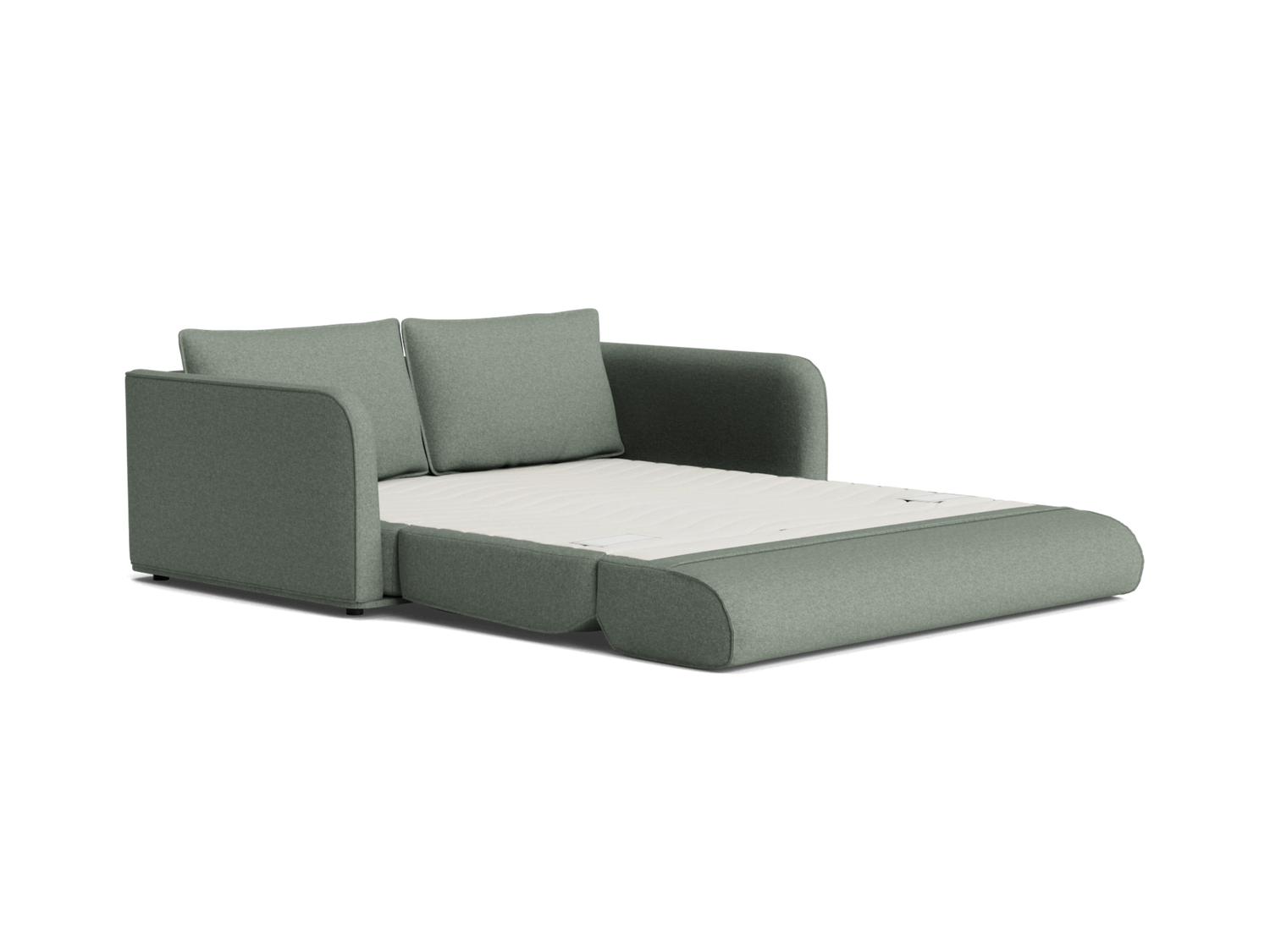
For guest-ready spaces and flexible living arrangements, the Koala Sofa Bed [4th Gen] and Byron Sofa Bed [3rd Gen] both feature FlipBed™ technology for transitioning between seating and sleeping.
The Byron Sofa Bed [3rd Gen] also includes Zero Disturbance™ technology and machine-washable covers.
Find a Modular Sofa That Adapts to Your Space
Whether you're furnishing a first apartment, updating a family room, or planning a more flexible living space, a modular sofa can help you create a layout that works today and evolves with your needs tomorrow.
Explore Koala's modular sofa collection to compare configurations, seating options, and designs built for modern living.
Frequently Asked Questions
What is a modular sofa?
A modular sofa is a seating system made up of individual sections that can be connected and rearranged into different configurations. Depending on the collection, modules can often be added, removed, or repositioned over time.
Are modular sofas worth buying?
For many homeowners, modular sofas are worth buying because they offer flexibility, adaptability, and long-term usability. They're especially useful for households that expect room layouts or seating needs to change.
Can you add pieces to a modular sofa later?
Many modular furniture systems allow compatible modules to be added later. Expansion options vary by manufacturer and product collection.
What is the difference between a modular sofa and a sectional?
A sectional is a broad category of multi-piece seating, while a modular sofa specifically consists of separate modules that can often be rearranged. Traditional sectionals may have fixed configurations, while modular sofas prioritize flexibility.
Are modular sofas good for small spaces?
Yes. Modular sofas can work very well in small spaces because they allow homeowners to choose configurations that fit the room while preserving traffic flow and flexibility.
Final Thoughts
Modular sofas offer a practical combination of flexibility, comfort, and long-term usability.
By understanding the different types, configurations, and buying considerations, you can choose a setup that fits your space today while remaining adaptable for future changes.
Whether you're furnishing a compact apartment, a busy family room, or an open-concept home, a thoughtfully planned modular sofa can help create a living space that works around your lifestyle rather than limiting it.