10 Reasons a Sleeper Couch Is the Smartest Buy for Any Home
Share
A sleeper couch is the only piece of furniture in your home that does two jobs at once and gets paid for once. Most furniture has a single purpose. A coffee table is a coffee table. A bed is a bed. A sleeper couch is a real sofa during the day and a real bed at night, which means it earns its keep faster than almost anything else you can buy for a living room.
The case for a sleeper couch is not just about saving floor space (although that helps). It is about flexibility, hosting, resale value, and the dawning realization that the spare bedroom you barely use could probably be a home office instead. Here is the full case, in 10 reasons.
1. It turns your living room into a guest room
The single biggest job a sleeper couch does is host. An overnight guest who would otherwise sleep on the floor, on an air mattress, or on a pulled-together pile of throw pillows gets a real bed instead. No travel preparation, no setup, no apology in the morning about the lumpy futon.
For people who host even a few times a year, the math works fast. A weekend visit, a friend in town, in-laws over the holidays, a friend going through a breakup who needs a couch for a week. The sleeper couch covers all of them.
2. It frees up an entire room
If you have been holding a spare bedroom hostage for the four nights a year it gets used, a sleeper couch is the upgrade. That room can become a home office, a nursery, a creative studio, a workout space, or just a room that holds the stuff you actually own rather than a bed for hypothetical guests.
The classic "office plus guest room" setup is exactly what a sleeper couch is designed for. Run your daily work in the room, fold the bed back into a couch when nobody is visiting, and convert it in 30 seconds when someone is.
3. It makes a studio apartment livable
Studio apartments are sleeper couch territory. With one room doing the job of three or four, every piece of furniture has to multitask. A real bed eats 30 to 40 square feet of floor space and sits idle for 16 hours a day. A sleeper couch reclaims most of that.
For renters in NYC, SF, Chicago, LA, or any market where 400-square-foot studios are normal, this is not a lifestyle preference. It is a structural decision. A sleeper couch is what makes the studio actually function.
4. It is cheaper than buying both a sofa and a bed
A decent mid-range sofa runs $1,200 to $2,500. A decent mid-range mattress and frame run roughly the same. That is $2,500 to $5,000 for the two pieces of furniture that take up the most floor space in most homes.
A quality sleeper couch covers both jobs in the same price range as a single sofa. You are not just saving money on the second purchase; you are getting one piece of furniture that has been engineered specifically for both uses.
5. The sleep quality has caught up
The old jokes about sleeper sofas (the metal bar across the lower back, the thin foam pad, the three-page setup ritual) are out of date. Modern sleeper couches use proper mattresses: pocket coils, memory foam, hybrid layers, and integrated toppers. The conversion mechanisms have caught up, too.
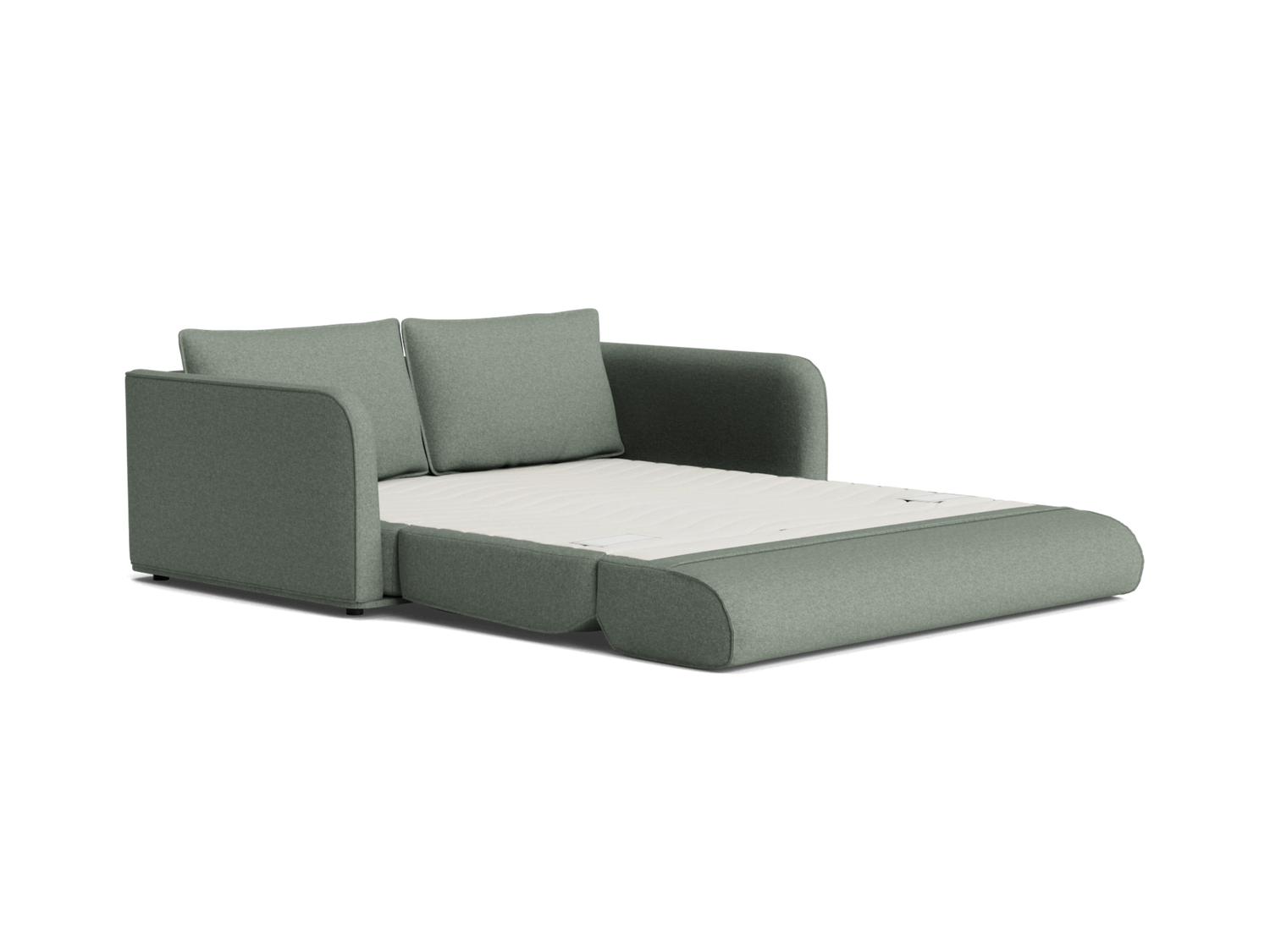
Koala's FlipBed design, for example, removes the pull-out frame entirely. The seat becomes the sleep surface, supported by a solid base rather than a folding structure, with an integrated Kloudcell topper for pressure relief. The Wanda goes a step further with a slide-out platform that lands at standard bed height. Neither one feels like a sofa pretending to be a bed.
6. It works for daily use, not just hosting
Most sleeper couches get bought for occasional guest use. The good ones are also rated for daily sleeping, which opens up a different set of use cases: studio apartments, primary-bedroom replacements, kids' rooms that double as playrooms, basements, lofts, and vacation rentals.
The trick is choosing the right mattress and mechanism. For daily use, look for a mattress thickness of at least 6 to 8 inches, no support bar, edge support that holds up, and a mechanism rated for high cycle counts. A budget pull-out used nightly will not last a year. A purpose-built daily-use sleeper couch will last as long as a regular bed.
7. It plays well with kids, pets, and red wine
The latest generation of sleeper couches comes with removable, machine-washable covers as a default feature. That means the things that used to ruin a sofa (toddler snacks, dog hair, the occasional glass of red wine) become a load of laundry instead of a service call to a professional cleaner.
Koala's covers across the sofa bed range are water-resistant, machine washable, and removable across every cushion. That is the bar to look for, regardless of which brand you end up with.
8. It is the easiest piece of furniture to move
A traditional pull-out couch is a moving-day nightmare. They weigh 200+ pounds, have an internal metal frame, and rarely fit through a standard apartment doorway in one piece.
Modern sleeper couches in the DTC era are designed to ship flat and assemble in your living room. Koala's sofa beds arrive in multiple boxes, assemble without tools in most cases, and disassemble for moves. For renters who move every year or two, that is the difference between keeping the couch and selling it.
9. It opens up your dining room, basement, and home office
Once you have a real sleeper couch, every secondary room in the house becomes a potential guest room. The basement with the TV can host. The home office can host. The dining room with the daybed can host. You stop running out of beds at family gatherings, and you stop having the awkward "who gets the couch" conversation.
This is the reason large families and people who host frequently end up with two sleeper couches in different rooms.
10. It is one of the few furniture upgrades that adds resale value
Most furniture loses a large share of its value the moment it leaves the store. Sleeper couches tend to hold their value better, because the resale market for them is broader than for a regular sofa: they are sold to renters, first-apartment buyers, parents, hosts, and small-home owners.
A quality, well-maintained sleeper couch from a real brand tends to hold its resale value better than a comparable standalone sofa, simply because more buyers are looking for one. That broader demand is unusual for furniture, and it makes the original purchase feel less risky.
Three sleeper couches worth considering
If the case above lands, here are three Koala designs to look at. Each is built around a different version of the same idea.
Koala Sofa Bed [4th Gen]
The flagship. FlipBed mechanism, integrated Kloudcell topper, 23.5-inch seat depth, machine-washable covers. Comes in Twin XL (46-inch), Full (64-inch), and Queen (70-inch) sofa widths. The most flexible pick for first apartments, studios, and primary living rooms.
View the Koala Sofa Bed [4th Gen]
Byron Sofa Bed
For larger living rooms that want a lounge-deep seat. 92-inch sofa width, 42-inch deep seats, Queen sleep surface, plus hidden storage in the base for sheets and pillows. Built for the household that hosts and lounges in equal measure.
Wanda Sofa Bed
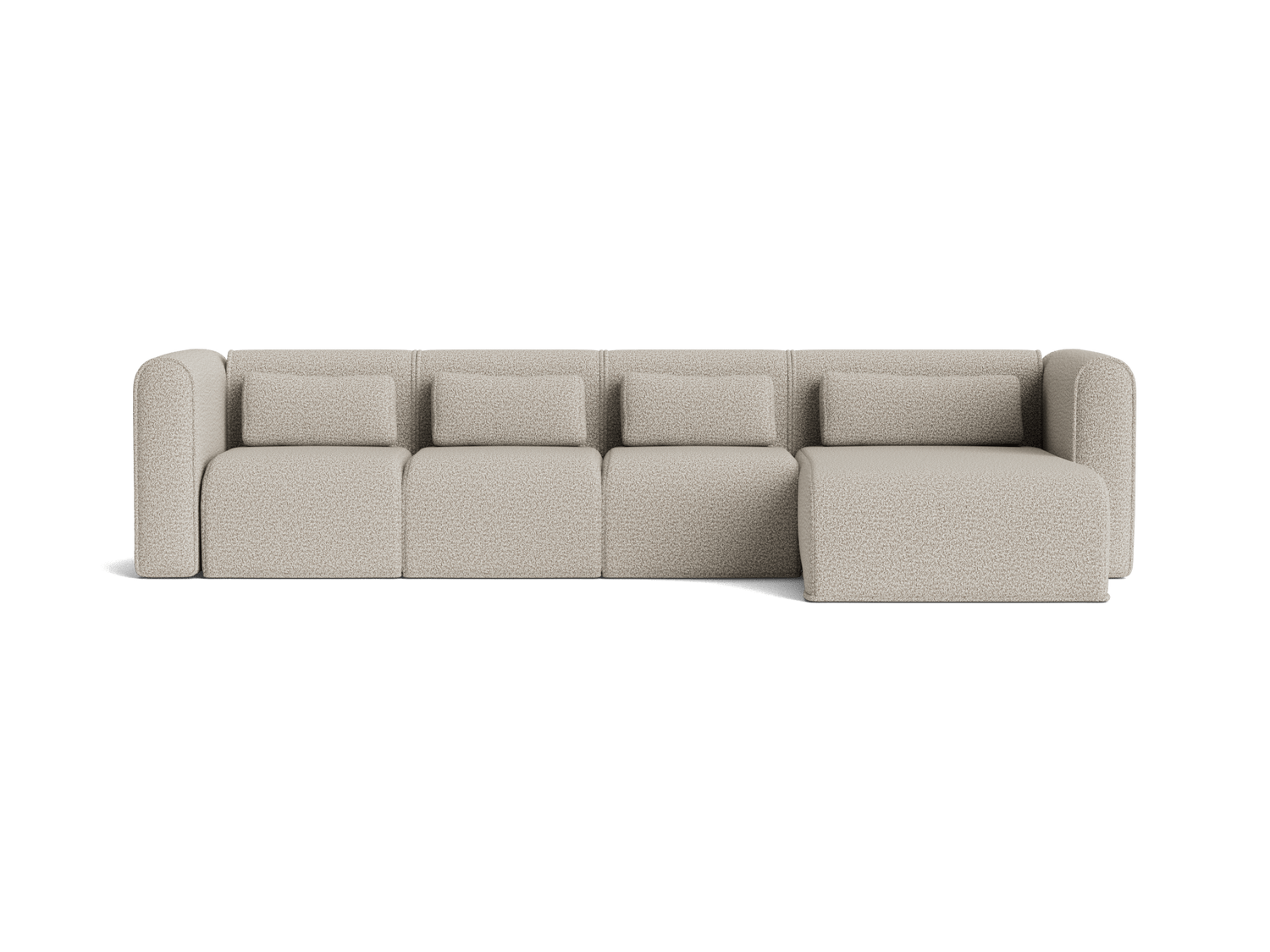
A 4-in-1 setup (sofa, chaise, daybed, queen bed) with a slide-out platform that lands the queen sleep surface at standard bed height. The most flexible piece in the Koala range, ideal for households where one piece of furniture has to wear several hats.
Frequently asked questions
Is a sleeper couch worth it for a small home?
Yes, and arguably more than for a large home. The case is strongest for studios, one-bedrooms, and apartments where every room has to do more than one job. The sleeper couch is the piece that makes that math work.
How long does a good sleeper couch last?
A quality sleeper couch from a real manufacturer should last 7 to 10 years with normal use. The mechanism is usually the weak link; look for designs without a metal pull-out bar and with a steel internal support frame, which last significantly longer than bargain pull-outs.
Are sleeper couches comfortable to sit on?
They can be, but it varies. The seat depth, foam quality, and backrest angle decide it. Older pull-out designs often have shallow, firm seats because the mechanism takes up the space. Modern flip and platform designs use the seat as the sleep surface, so the seat itself is much more comfortable. Look for seats at least 22 inches deep with a real comfort layer.
Can a sleeper couch replace a regular bed?
For occasional use, easily. For daily use, only if you pick the right one. A sleeper couch rated for daily sleeping (at least 6 inches of quality foam with an integrated topper, no bar, real edge support) can serve as a primary bed for years. A standard occasional-use sleeper used nightly will wear out fast.
What is the difference between a sleeper couch and a futon?
A sleeper couch has a dedicated mattress and a conversion mechanism that hides it inside the sofa structure. A futon has a single mattress that folds flat from a couch position, with no separate sleep surface. Sleeper couches generally sleep better; futons generally cost less.
The bottom line
A sleeper couch is the rare piece of furniture where the buying decision pays off twice: once when you sit on it every night, once when somebody actually sleeps on it. For studios, apartments, multipurpose rooms, and any home that occasionally needs a guest bed, it earns its place faster than anything else you can buy.
Browse the full Koala sleeper couch range to find one built for the way you actually live. 120-day free trial, machine-washable covers, no metal bars across the back.