Modular Sectional Sofas: How to Configure One for Any Room
Share
A modular sectional sofa gives you more flexibility than a traditional fixed sofa layout. Whether you're furnishing a small apartment, updating a family room, or creating a multifunctional living space, modular seating can adapt more easily as your needs change over time.
If you're comparing flexible seating options, it helps to explore Koala's modular sofas and sofa beds collections early in the process. Modular sofas focus on layout flexibility, while sofa beds prioritize guest-ready functionality.
What Is a Modular Sectional Sofa?
A modular sectional sofa is a sectional made from separate seating modules that connect together to create different layouts.
Unlike traditional sectionals with fixed configurations, modular sectionals use individual pieces that can often be rearranged, expanded, or reconfigured as your needs change.
Common module types include:
-
Corner sections
-
Chaise sections
-
Ottoman modules
-
Armless seats
-
Middle seating pieces
This flexibility allows a modular sectional sofa to adapt to apartments, family rooms, open-plan homes, and multifunctional living spaces.
Flexible living spaces continue to grow in importance as homeowners prioritize adaptable furniture and multifunctional room designs.
Popular modular sectional sofa layouts include:
-
L-shaped modular sectionals
-
U-shaped modular sectionals
-
Chaise-based configurations
-
Armless modular layouts
-
Corner-module arrangements
Many modular systems also allow homeowners to start with a smaller arrangement and expand later if additional seating becomes necessary.
How Does a Modular Sectional Sofa Configuration Work?
A modular sectional sofa configuration works by connecting separate seating modules into a customized layout.
Most modular systems use clips, brackets, or locking connectors underneath each section to help keep pieces aligned during everyday use.
Because the seating modules are separate, you can often:
-
Rearrange seating positions
-
Move chaise sections
-
Add compatible modules
-
Remove unnecessary sections
-
Adapt the layout for different rooms
|
Modular Piece |
Purpose |
Best For |
Considerations |
|
Corner modules |
Connect seating at angles |
L-shaped and U-shaped layouts |
Requires additional floor space |
|
Ottoman sections |
Add flexible seating or footrest space |
Multifunctional rooms |
May shift without anchoring |
|
Chaise modules |
Create lounging space |
Apartments and family rooms |
Requires additional room length |
|
Armless seats |
Expand seating capacity |
Compact layouts |
Less side support |
One major advantage is easier delivery and moving. Individual modules are typically easier to maneuver through stairwells, elevators, and narrow hallways than oversized one-piece sectionals.
Modular sofas are also useful in homes where layouts change over time. Because the seating pieces can often be rearranged, they provide more flexibility than traditional fixed sectionals when moving or reconfiguring a room.
If you're exploring multifunctional furniture as well as modular seating, compare both modular sofas and sofa beds to determine which type best matches your space and lifestyle.
Best Modular Sectional Sofa Layouts for Different Rooms
The best modular sectional sofa layout depends on your room size, traffic flow, and seating priorities.
Small Apartments
Compact chaise layouts often work best in apartments because they maximize seating while preserving valuable floor space.
Consider:
-
Compact chaise modules
-
Armless seating
-
Wall-based layouts
-
Minimal module footprints
Medium-Sized Living Rooms
L-shaped modular sectionals are often the most practical choice for medium-sized living rooms.
They provide generous seating while maintaining open pathways throughout the room.
Open-Plan Homes
Floating modular layouts work especially well in open floor plans.
Positioning the sectional away from the wall can help define separate living, dining, and entertainment zones.
Family Rooms
U-shaped and oversized L-shaped modular sectionals maximize seating and create a natural gathering area.
These layouts work particularly well around televisions, fireplaces, or conversation areas.
Multifunctional Guest Spaces
Flexible modular arrangements make it easier for guest rooms to serve multiple purposes.
Smaller modular layouts can function as everyday seating while leaving room for desks, hobby areas, or other furniture needs.
|
Room Type |
Recommended Layout |
Why It Works |
|
Small apartment |
Compact chaise sectional |
Preserves walkways |
|
Medium living room |
L-shaped modular sectional |
Balances seating and openness |
|
Open-plan home |
Floating modular layout |
Defines living zones |
|
Family room |
U-shaped modular sectional |
Maximizes seating |
|
Multifunctional guest room |
Flexible modular setup |
Supports multiple uses |
L-Shaped vs U-Shaped Modular Sectionals
L-shaped modular sectionals work best for most homes, while U-shaped modular sectionals maximize seating in larger rooms.
|
Feature |
L-Shaped Layout |
U-Shaped Layout |
|
Space efficiency |
Excellent |
Moderate |
|
Seating capacity |
High |
Very high |
|
Best room size |
Small to medium |
Large |
|
Open-plan compatibility |
Excellent |
Good |
|
Layout flexibility |
High |
Moderate |
|
Entertainment use |
Everyday living |
Larger gatherings |
L-shaped layouts tend to fit more room sizes and preserve traffic flow more effectively.
U-shaped layouts excel when maximizing seating is the primary goal.
How to Configure a Modular Sectional Sofa for Small Spaces
A modular sectional sofa can work well in small spaces when the layout preserves open walkways and avoids oversized seating footprints.
To maximize a smaller room:
-
Choose a compact chaise configuration
-
Prioritize armless modules
-
Avoid oversized corner pieces
-
Maintain clear pathways
-
Select only the seating sections you need
A modular sectional for small spaces offers flexibility because you can often adjust the configuration if your room layout changes later.
Apartment dwellers also benefit from easier delivery since modular sections are typically easier to move through stairwells and elevators.
What Features Matter Most in a Modular Sectional Sofa?
The most important modular sectional sofa features improve flexibility, maintenance, and long-term usability.
Washable Covers
Easy-care upholstery can simplify maintenance in homes with children or pets.
Rearrangement Flexibility
Some modular systems allow nearly every section to move freely, while others offer more limited configurations.
Expandability
Expandable systems provide additional flexibility if seating needs change in the future.
Durable Connectors
Strong connector systems help keep layouts aligned during everyday use.
Easy Assembly
Simplified assembly can make moving and reconfiguring the sectional less frustrating.
Storage Features
Some modular seating systems include hidden storage compartments for blankets and other household items.
Pet-Friendly Practicality
Low-maintenance upholstery and modular flexibility can make everyday upkeep easier.
How to Arrange a Modular Sectional in an Open Floor Plan
A modular sectional can help define living zones in an open floor plan without adding physical barriers.
A few practical strategies include:
-
Float the sectional away from walls
-
Maintain clear walking paths
-
Position seating around a focal point
-
Leave a comfortable space around coffee tables
-
Use rugs to visually anchor the seating area
Modular seating works particularly well in open-concept homes because the layout can evolve as room functions change.
Modular Sectional Sofa Mistakes to Avoid
Most modular sectional layout mistakes come from choosing too much furniture for the available space.
Common mistakes include:
-
Blocking major walkways
-
Buying more modules than necessary
-
Ignoring traffic flow
-
Choosing oversized configurations
-
Forgetting future flexibility needs
-
Creating unbalanced room proportions
Measuring carefully before purchasing can help avoid many of these issues.
How to Maintain a Modular Sectional Sofa
A modular sectional sofa lasts longer when cushions, upholstery, and connectors are maintained regularly.
A few maintenance habits can help:
-
Vacuum upholstery regularly
-
Rotate cushions periodically
-
Rearrange wear points occasionally
-
Check connectors for alignment
-
Follow manufacturer care instructions
Consistent maintenance can help preserve both appearance and everyday usability.
Koala Modular Seating and Sofa Beds to Consider
Koala offers both modular sofas and sofa beds, but they serve different purposes. Modular sofas focus on flexible layouts and rearrangeable seating, while sofa beds add guest-ready sleeping functionality for multifunctional rooms.
Torquay Modular Sofa
The Torquay Modular Sofa is designed around expandable modular seating, making it easier to adapt your layout as your needs change.
Key highlights include:
-
Expandable modular design
-
Flexible seating configurations
-
Tool-free assembly
-
Washable covers
Bangalow Modular Sofa
The Bangalow Modular Sofa is designed for flexible living spaces that may need different seating arrangements over time.
Key highlights include:
-
Rearrangeable layouts
-
Modular expandability
-
Flexible room configurations
-
Adaptable seating arrangements
Koala Sofa Bed [4th Gen]
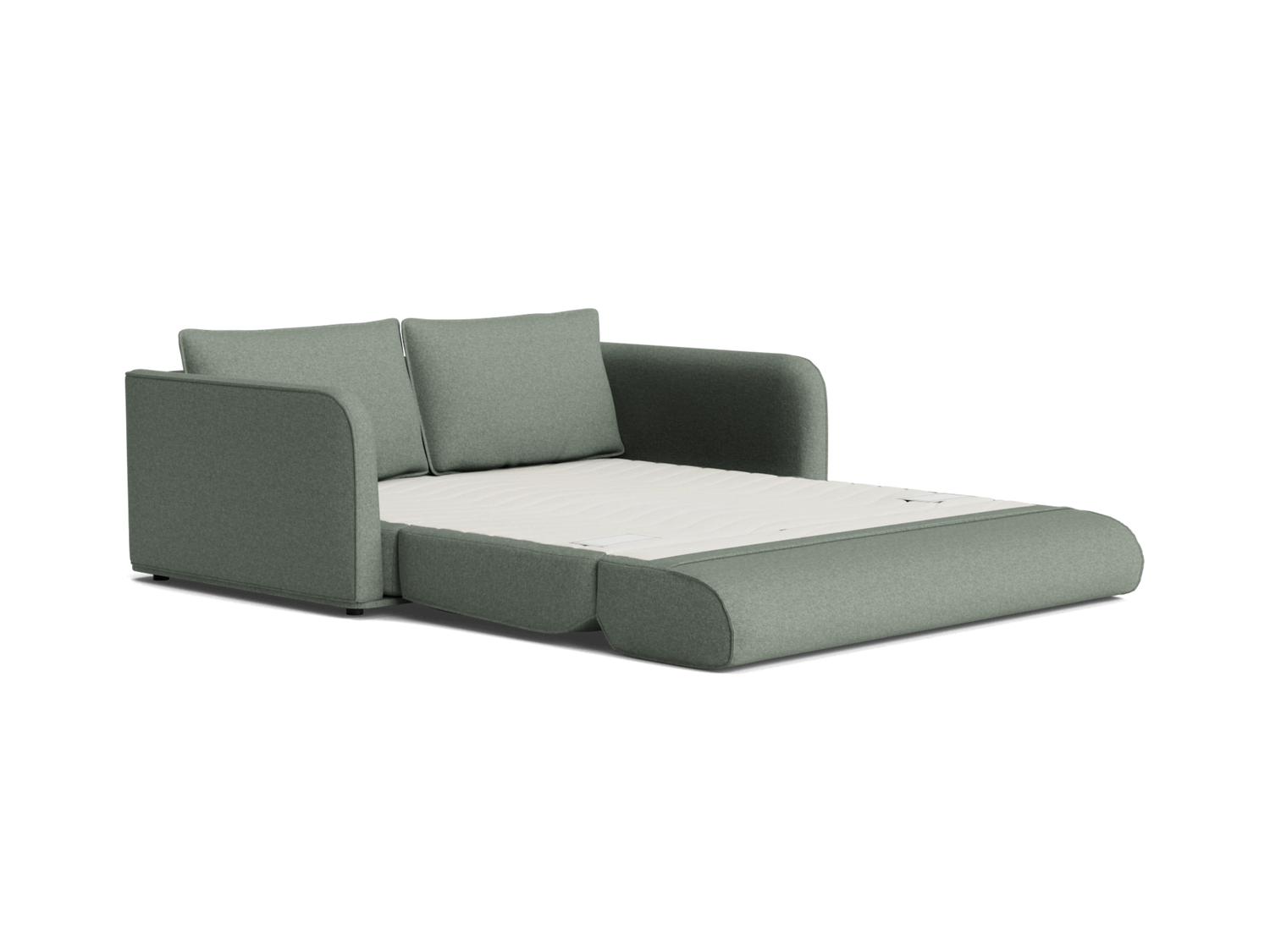
The Koala Sofa Bed [4th Gen] is designed for multifunctional living rather than modular seating.
Its FlipBed™ functionality allows it to convert from sofa to bed in seconds, making it useful for apartments, guest rooms, and living spaces that occasionally need sleeping accommodations.
|
Product |
Category |
Best For |
Cover Care |
Key Feature |
|
Torquay Modular Sofa |
Modular sofa |
Flexible room layouts |
Washable covers |
Tool-free modular design |
|
Bangalow Modular Sofa |
Modular sofa |
Rearrangeable seating layouts |
Verify current care instructions |
Modular expandability |
|
Koala Sofa Bed [4th Gen] |
Sofa bed |
Guest-ready living spaces |
Verify current care instructions |
FlipBed™ |
You can also browse Koala's living room furniture collection when planning a complete seating setup.
Explore Flexible Modular Seating
Whether you're furnishing a compact apartment or designing a larger family room, modular seating can make it easier to adapt your space over time.
Explore Koala's modular seating and sofa bed collections to compare flexible layouts, expandable seating arrangements, and apartment-friendly configurations.
Frequently Asked Questions
What’s the best modular sectional sofa layout for small spaces?
Compact chaise layouts, armless seating, and configurations that preserve open walkways are usually the most effective options for smaller rooms.
Can you rearrange a modular sectional sofa?
Yes. Most modular sectional sofas use separate seating modules connected by clips or brackets, allowing you to change the layout when needed.
Are modular sectional sofas good for apartments?
Yes. Modular sectionals are often easier to deliver, move, and configure in apartments than traditional oversized sectionals.
What’s the difference between an L-shaped and U-shaped modular sectional?
L-shaped layouts generally fit more room sizes and preserve traffic flow, while U-shaped layouts maximize seating capacity in larger spaces.
Are modular sectional sofas worth it?
For many households, modular sectional sofas are worth considering because they offer layout flexibility, adaptable seating arrangements, and the potential to expand over time.