
Comfortable Sleeper Sofa: The Features That Actually Matter
Most sleeper sofas have a dirty little secret: they're sold on how easily they fold out, not on whether they're actually comfortable to sleep on. Or sit on. Or — let's be honest — both.
If you've ever spent a night on one with a metal bar pressing into your back at 3 a.m., you already know the gap between "convertible furniture" and "comfortable sleeper sofa" can be cavernous.
The good news? A genuinely comfortable sleeper sofa exists. It's not magic, and it's not luck. It comes down to a small handful of features that actually move the needle — and a much longer list that brands love to talk about but barely matter.
Here's what to look for, what to skip, and how to tell the difference before you part with your money.
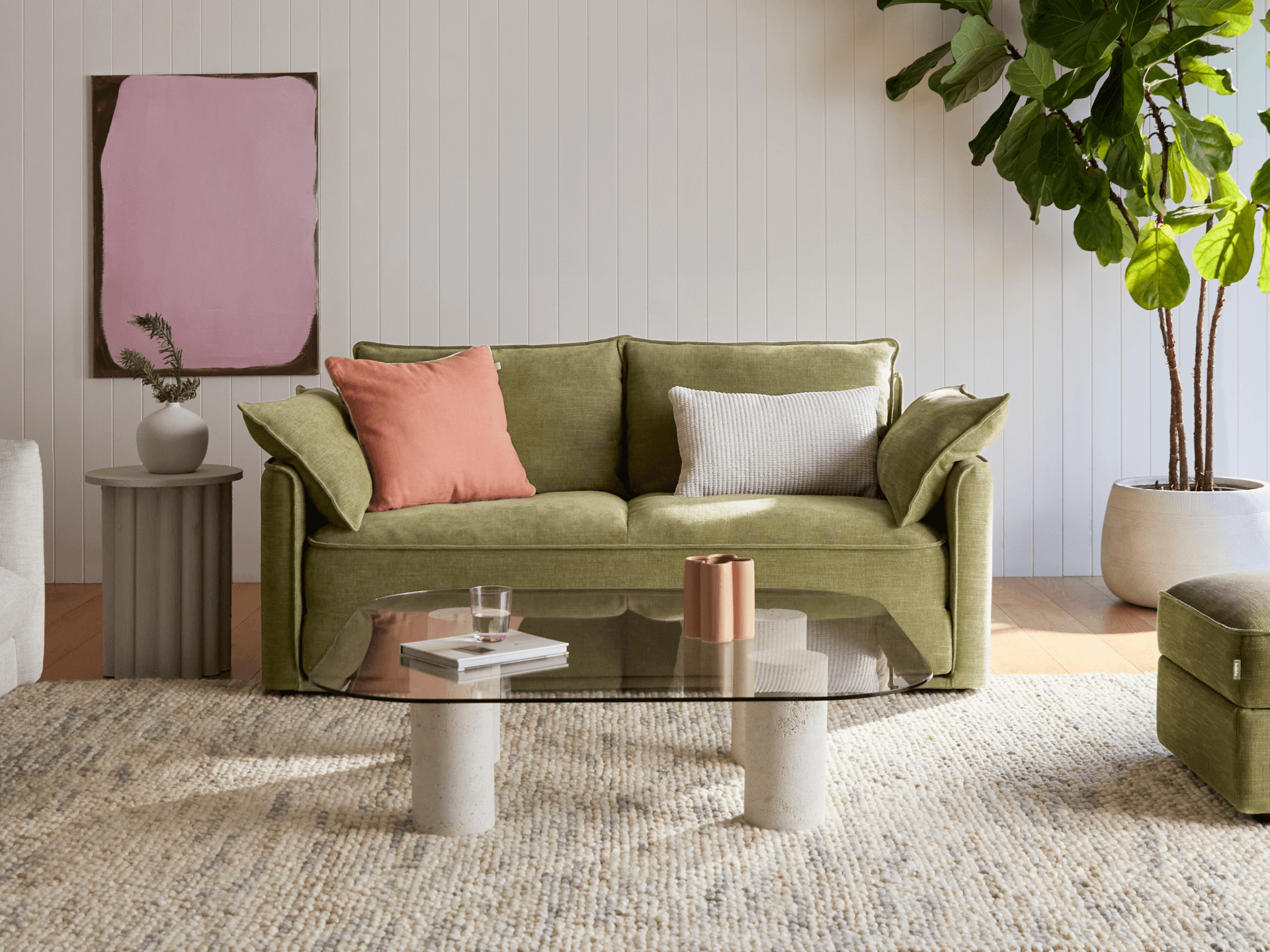
What "comfortable" actually means for a sleeper sofa
A sleeper sofa lives two lives. By day, it's a couch you sit on. By night (sometimes), it's a bed you sleep on. Comfort means it has to do both well — not one or the other.
That's why so many of them disappoint. The cheap pull-outs you remember from your college roommate's apartment? Decent enough as couches, terrible as beds. The minimalist designer ones with thin little cushions? Look great in photos, sleep awful in real life.
The good ones balance three things: seating comfort, sleeping comfort, and a conversion that doesn't make you dread using it.
Get those three right and the rest is just shopping. Get any of them wrong and even the most expensive sleeper sofa in the showroom will end up unused — or worse, used and resented.
The features that actually matter
1. The mattress (and what's underneath it)
This is the single biggest comfort factor, and it's where most sleeper sofas cut corners. The classic problem is the metal support bar — that thin steel rod hidden under a 3-inch innerspring mattress that ends up directly under your spine at, you guessed it, 3 a.m.
What to look for instead:
- A real mattress, not a glorified pad. At minimum 4 inches thick. 5–6 inches is better for nightly use.
- Foam over springs. High-density foam (or memory foam) gives consistent support without the bar problem. CertiPUR-US certified is a good signal — it means the foam is independently tested for harmful chemicals.
- A platform base, not a wire grid. Newer designs use a wood or solid platform under the mattress instead of the old bar-and-canvas setup. This is the single biggest upgrade in modern sleeper sofa design, and it's the reason today's good ones are nothing like the ones from 1995.
If a sleeper sofa lists "innerspring mattress" without any detail about the support system underneath, assume the bar is there. It usually is.
2. Seat depth and cushion firmness
Most people shopping for a sleeper sofa focus entirely on the bed and forget that they'll spend 95% of the time sitting on it. Big mistake. Huge.
Look for:
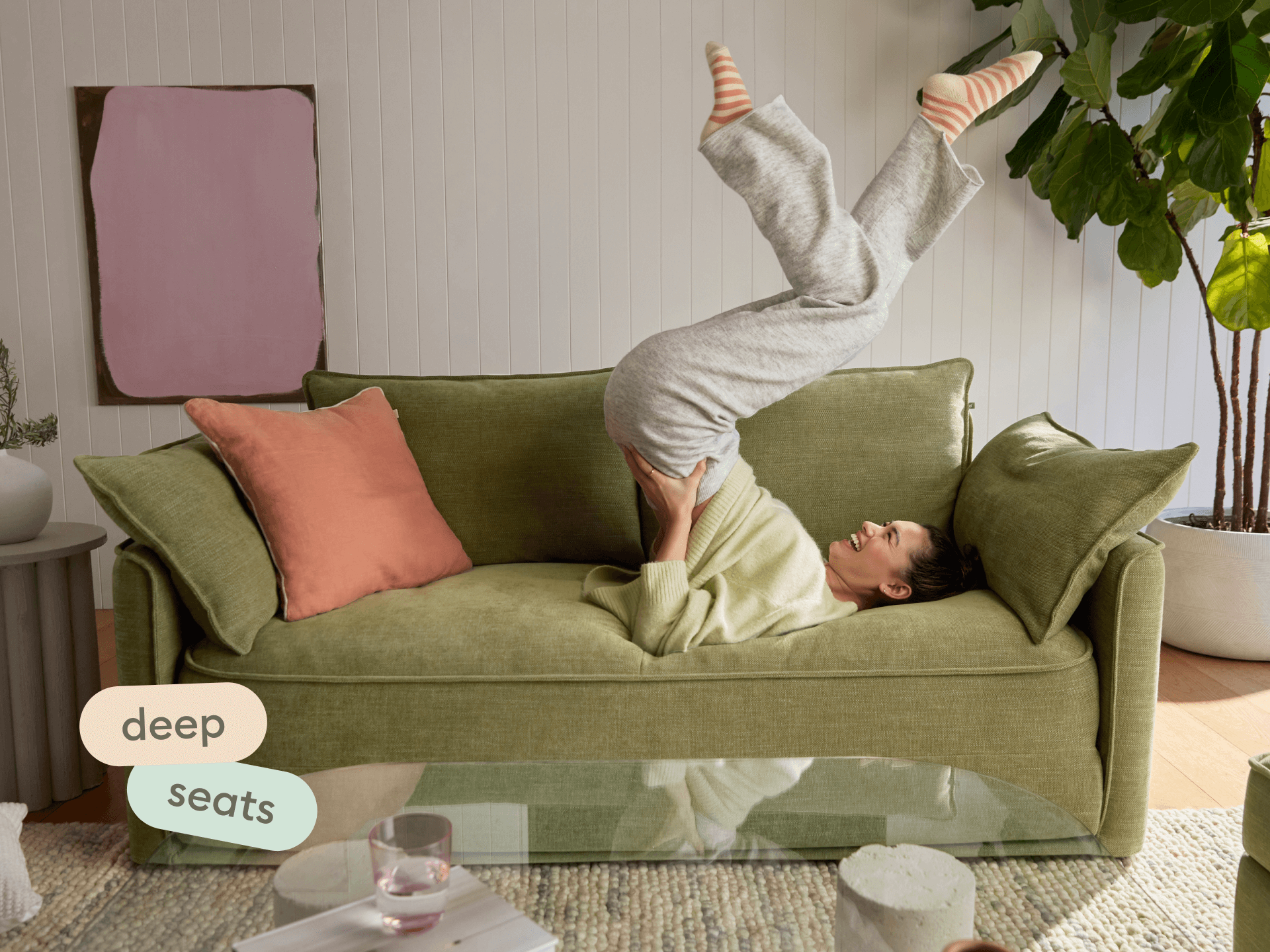
- Seat depth between 22 and 24 inches if you like to curl up or lounge. Anything shallower feels like a waiting-room chair. Anything deeper and shorter folks end up perched on the edge.
- Medium-firm cushions. Too soft and you sink straight to the frame. Too firm and you'll be shifting every ten minutes. The sweet spot is supportive enough to push back, soft enough to sink into a little.
- An angled, supportive backrest. A subtle backward tilt (around 100 degrees) is way more comfortable than a 90-degree dining-chair angle. It's one of those things you don't notice until you sit on a sofa that gets it right — then you can't unsee it.
3. The conversion mechanism
The best sleeper sofa in the world is useless if converting it into a bed is a two-person, ten-minute production every time someone stays over.
The mechanisms to know:
- Traditional pull-out: Remove cushions, pull a hidden frame out, unfold the mattress. Familiar, but bulky and often involves the dreaded metal bar.
- Click-clack / fold-down: The back of the sofa folds flat to create a sleep surface. Faster, takes less floor clearance, but the surface is sometimes firmer.
- Flip / fold-out: Newer designs (like the Koala Sofa Bed) skip the mechanical hardware entirely — the seat itself flips forward to become the bed. No tools, no metal bar, no creaking.
The test: try to convert it in front of the sales person, by yourself, in under 30 seconds. If it takes longer or needs two people, you'll stop using it within a month. Trust us.
4. Frame and build quality
This is the boring one. It's also the one that decides whether your sleeper sofa lasts five years or fifteen. Comfort isn't just about cushions — a flexing, creaking frame ruins both seating and sleeping faster than anything else on this list.
Look for:
- Hardwood frame (poplar, oak, or birch plywood) over particleboard or MDF. FSC certified means the wood is responsibly sourced.
- Reinforced joints. Corner blocks, screws plus glue — not staples and a prayer.
- Steel reinforcement at the conversion mechanism. This is the part that takes the most stress.
- Solid weight. Sleeper sofas are heavy by design (the mechanism alone adds 40+ pounds). A queen sleeper that is light weight has probably skimped somewhere it shouldn't have.
5. Fabric and care
Comfort isn't only how it feels under you on day one — it's how it feels six months in, after a few spilled glasses of wine and at least one incident involving the family dog. Fabric that pills, stains, or wears thin makes the whole thing feel cheap fast.
What to look for:
- Performance fabrics: Tightly woven, stain-resistant, easy to spot clean. Bonus points for water resistance without PFAS chemicals.
- Removable, washable covers: A genuine game-changer for anyone with kids, pets, or guests with red wine privileges. Spills happen.
- Color that hides life: Mid-tones (oatmeal, sage, charcoal) hide everyday wear better than pure white or jet black. Trust us, the white sofa is a trap.
Features that don't matter as much as you think
Brands love to talk about these. They're not bad — they're just not the things that actually decide whether you'll love or hate the sofa six months in. Don't let them drive the decision:
- Number of cushions. Doesn't correlate with comfort. A two-cushion sofa with great fill beats a five-cushion one stuffed with fiber.
- Reclining backrests with motors. Cool. Also adds cost, weight, and one more thing that can break.
- Built-in USB ports. Nice to have, not a comfort feature. You probably have a phone charger already.
- "Designer" leg styles. Aesthetic, not functional. The legs you can see add nothing to how the sofa sits or sleeps.
How to test a sleeper sofa before you buy
You can't really know if a sleeper sofa is comfortable from photos. If you're buying online (most are bought this way now), look for two things to de-risk it:
- A long, free trial. Anything under 30 days isn't a real test. 100+ nights is the standard for any brand confident in their product. Koala includes a 120-day free trial on every sofa bed, with free returns.
- Verified reviews from people using it as a bed, not just a couch. Filter the reviews for words like "guest," "sleep," "overnight," and "back" — that's where the real comfort signal lives.
If you can see one in person, do the basics: lie on it for at least five minutes (not 30 seconds). Convert it yourself. Sit in the corner, the middle, and the edge. Press on the seat to feel for the frame underneath. The right sofa should pass all of these without making you think twice.
Three sleeper sofas worth a closer look
If you want a starting point, these three Koala designs cover the most common use cases — and they're built around the features above, not against them.
Koala Sofa Bed — best for compact spaces and frequent guests
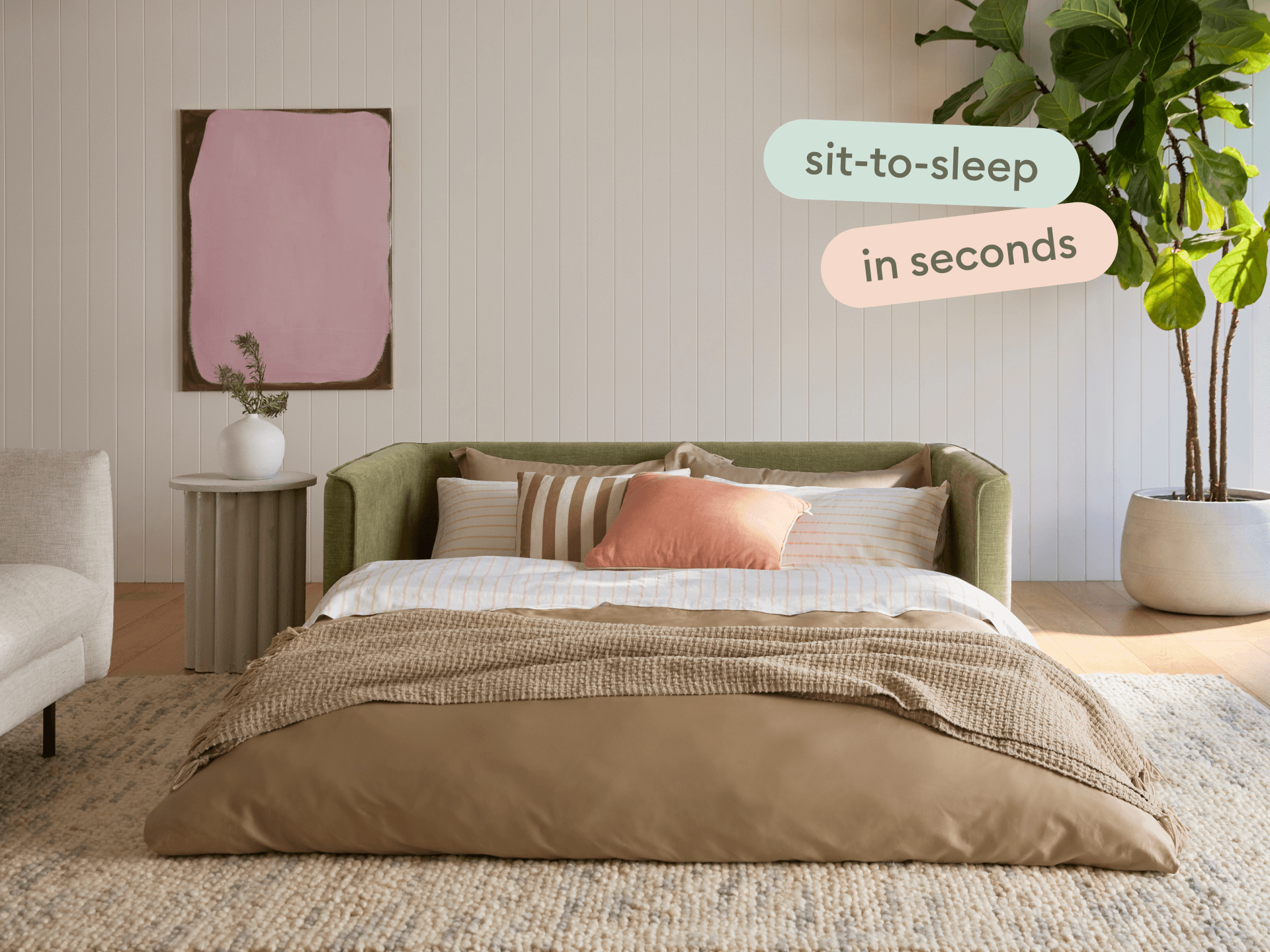
The all-rounder. The Koala Sofa Bed uses the FlipBed design (no mechanical pull-out hardware), 23.5-inch deep seats with an angled backrest and lumbar support, an integrated Kloudcell topper for actual sleep, and machine-washable, water-resistant covers. Available in 70" Queen, 64" Full, and 46" Twin XL. Backed by a 5-year warranty and a 120-day trial.
Byron Sofa Bed — best for nightly use and deep loungers
If you've got the floor space and want the most sofa-bed-shaped luxury Koala makes, this is it. Queen-size sleep surface, the deepest seats in the range, large hidden storage compartment for bedding, and motion-isolating Zero Disturbance tech if two people share it. Removable, washable covers throughout.
Wanda Sofa Bed — best for living rooms that pull double duty
A four-in-one piece: sofa, daybed, reversible chaise, and queen-size bed. Elevated sleep height makes it easy to get up at night. Smart tilted-seat-to-flat-bed design means it's comfy upright and supportive flat. Built on a steel and FSC-certified timber frame for the long haul.
Tight on floor space? Our guide to the best sofa beds for small spaces goes deeper on what to look for when every inch matters.
Frequently asked questions
What makes a sleeper sofa comfortable?
Three things, in order: a real mattress (4+ inches, foam-based, with a platform base instead of a metal support bar), seat cushions that are medium-firm with 22–24 inch depth, and a conversion mechanism that's quick enough you'll actually use it. Build quality and fabric matter for long-term comfort, but they won't save a sofa that gets the first three wrong.
How thick should a sleeper sofa mattress be?
For occasional guests, 4 inches is the minimum. For weekly or nightly use, look for 5–6 inches. Thicker isn't always better — the support layer underneath matters more than mattress depth alone. A 6-inch foam mattress on a wood platform sleeps better than an 8-inch innerspring on a wire grid, every time.
How can I make my sleeper sofa more comfortable?
Start with a high-density memory foam topper (2 inches is usually enough). Use real, breathable sheets — not the scratchy spare set buried in your linen closet. Make sure the conversion mechanism is fully locked in place; a wobbly base is a comfort killer. If a metal bar is the issue, a topper plus a folded blanket directly over the bar can help, but it's a band-aid. Long-term, replacing the sofa is the real fix.
Are sleeper sofas comfortable enough for everyday sleeping?
Modern ones can be — but most aren't designed for it. If someone's sleeping on it nightly, prioritize a thicker foam mattress (5–6 inches), a platform base, and a frame built for daily conversion. Skip the entry-level pull-outs entirely; they're built for occasional use and wear out fast under daily load.
What size sleeper sofa should I get?
Match the sleep size to who's actually using it. Twin works for kids or a single guest. Full fits one adult comfortably or two if they like each other a lot. Queen is the safe default for adult guests and the only size that genuinely works for two adults. King sleeper sofas exist but eat up serious floor space — make sure you have the room when it's open before investing.
A truly comfortable sleeper sofa isn't about more features. It's about getting the basics right. Browse Koala's sofa bed collection to see designs built around comfort, not compromise — every sofa bed comes with a 120-day free trial, so you can test it where it actually counts: in your own living room.


